Audio & video

The local Strength of Videoland and VTM GO
“If all we do is play it safe, we will never win”
Videoland, VTM GO(+) and Streamz are DPG Media’s streaming services: each has different roots, but they share the same ambitions. In 2025, they achieved combined subscriber growth of 11%. Here, directors Ellen van den Berghe (the Netherlands) and Calogero Macaluso (Belgium) discuss boldness, local DNA and how to further capture the streaming market in the Low Countries.
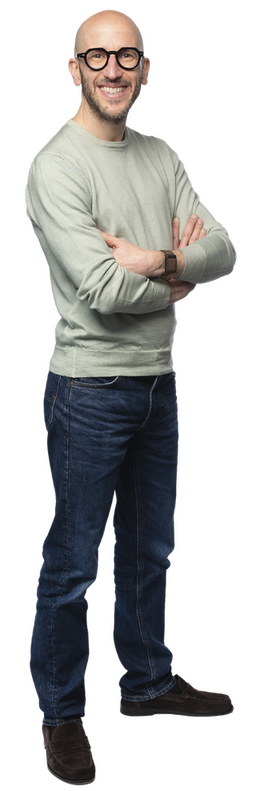
Calogero Macaluso
(42), streaming director Belgium
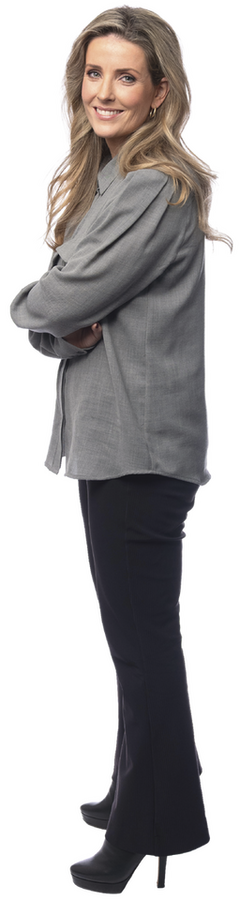
Ellen van den Berghe
(38), streaming director Netherlands
With billion-euro budgets, global distribution and an endless stream of content, international streaming giants such as YouTube, Netflix, Amazon Prime, Disney+ and HBO Max have expanded consumer choice as never before in recent years. Yet that very increase in scale also highlights the reason Videoland, VTM GO(+) and Streamz exist. Since their launch, they have taken a radically different approach: focusing on local stories and local viewers in order to understand, serve and retain audiences in the Netherlands and Flanders.
Ellen van den Berghe and Calogero Macaluso are at the heart of DPG Media’s streaming strategy in the Netherlands and Flanders. Videoland now has more than 1.7 million subscribers and 4.5 million monthly users. Thanks mainly to its free model, VTM GO(+) reaches more than one million unique accounts each month. In Flanders, paid subscriptions are housed within Streamz, the joint venture with Telenet in which DPG Media is a shareholder. Their shared goal is to continue growing as the leading local streaming platforms in the Netherlands and Flanders.
Two models
Videoland originally started with a subscription model and strong exclusive originals. VTM GO, by contrast, began as a free, ad-funded platform and quickly built scale and a strong local connection in Flanders. “We really played a pioneering role in that respect,” says Macaluso. “It brought us not only reach, but also a mature advertising market: around €30 million a year based on high-quality long-form video.” Even so, a subscription model is crucial for the future. “Advertising revenues fluctuate. Subscriptions provide predictability and scope for sustained investment in quality.”
Van den Berghe recognises that tension, but from a different starting point. “With a subscription model, the bar is even higher. People are paying, so they expect the very best content. That forces you to think constantly from the consumer’s perspective: what do they want to watch, what makes them happy, why do they stay with us?”
Local is not a limitation
What binds Videoland, VTM GO(+) and Streamz is the conviction that local is not a limitation but a distinctive strength. “We no longer live in a world where we’re competing mainly with Talpa or NPO,” says Van den Berghe. “The real competition is YouTube, Netflix and Amazon. You have to position yourself clearly in that landscape.” That position lies in proximity and recognition – in stories rooted in society. Videoland demonstrated this with series such as Mocro Maffia and Máxima – titles that made an impact not only nationally, but internationally too. Máxima was sold to 85 countries and Mocro Maffia to more than 50.
In Flanders, there is still work to be done in that area. “We’re missing those kinds of defining platform franchises,” says Macaluso. “That’s one of our biggest challenges for the years ahead: creating titles that give VTM GO(+) and Streamz a distinctive identity, in the way Videoland has done.”
Technology as the backbone
Both parties take technology extremely seriously. According to Van den Berghe, Videoland started out in 2013 as “RTL’s ugly stepsister” and learned by trial and error. “We were a content company, not a tech company. If we had a hit, the platform would sometimes simply crash.” Today, Videoland runs on an internationally shared technical platform, developed with other European broadcasters so that it can compete on user experience.
In Flanders, a different route was taken, with the platform built entirely in-house. “With around forty colleagues,” says Macaluso, not without pride. “Our standards are just as high as Netflix’s. From recommendation algorithms to loading speed and interface design, we develop it all ourselves – always tailored to who we are locally.”
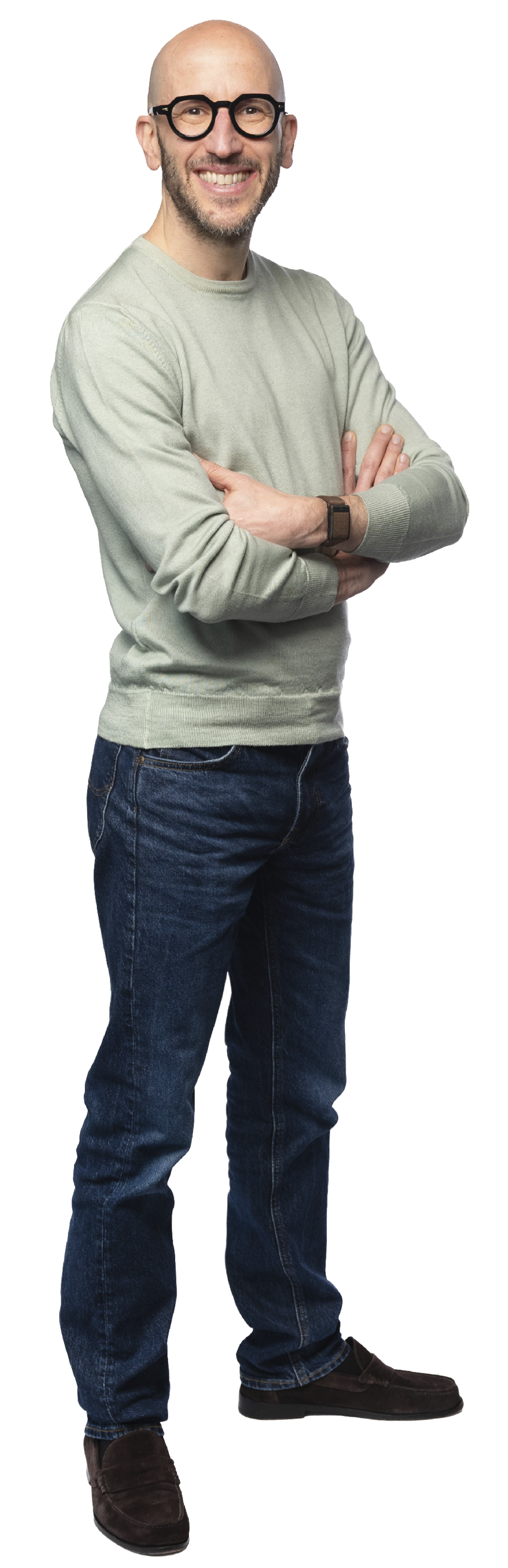
Calogero Macaluso
(42), streaming director Belgium
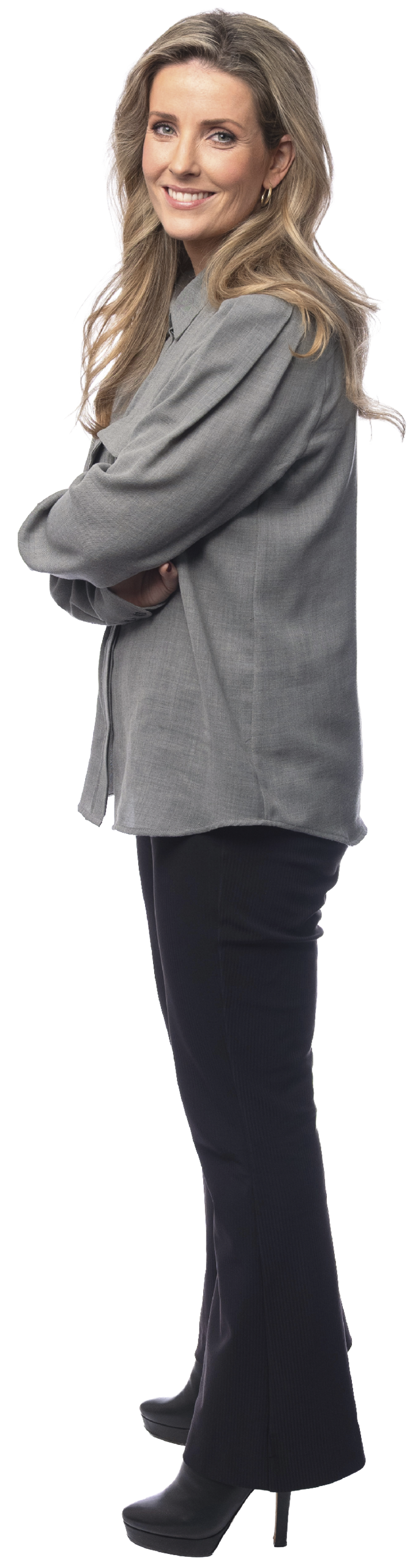
Ellen van den Berghe
(38), streaming director Netherlands
Viewing tips
For 2026
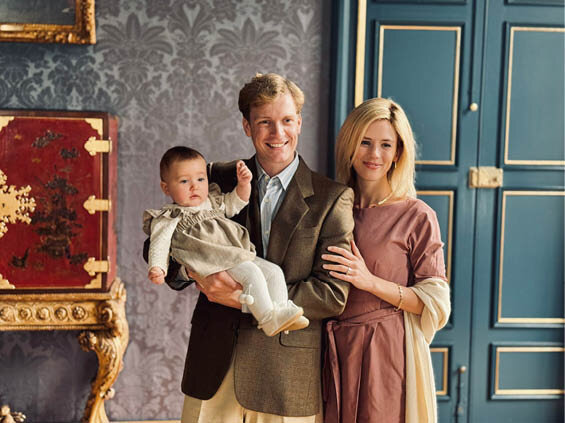
Máxima (Videoland) – second season of the hit series about the Dutch royal couple

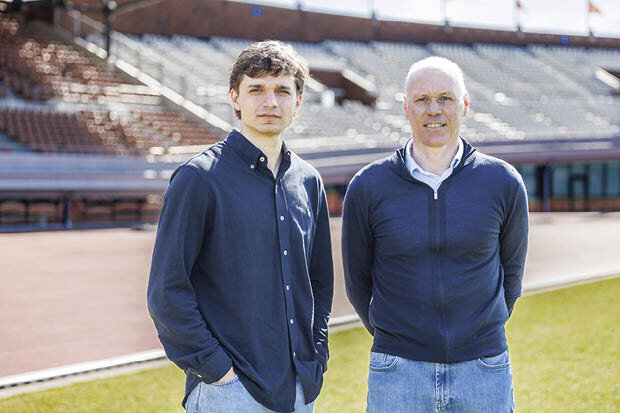
Basta (Videoland) – drama series about the life of former top footballer Marco van Basten
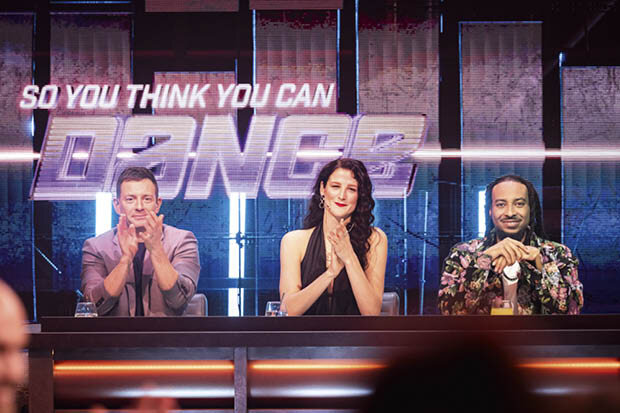
So You Think You Can Dance (VTM GO(+)) – the well-known dance competition returns after ten years
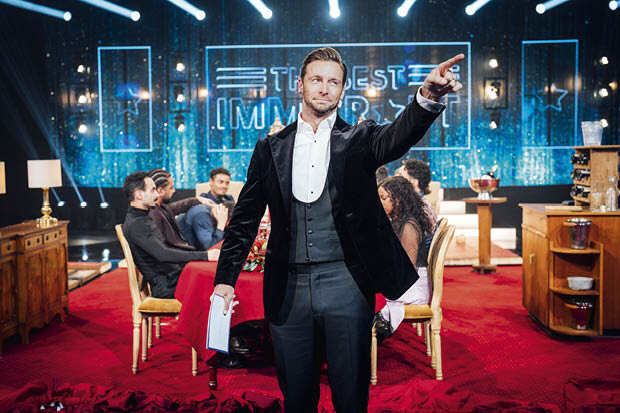
The Best Immigrant (Streamz) – drama series about a game show in which the top prize is a residence permit
News as a differentiator
One important difference from the international streamers is news. Netflix does not have it – Videoland and VTM GO do. VTM GO is innovating with AI-driven news bulletins split into chapters, allowing viewers to click directly on specific topics. This is having a clearly positive effect on VTM NIEUWS: viewing is up by 10%. One in five VTM NIEUWS viewers now uses this tool.
Like VTM GO, Van den Berghe wants to make news even more accessible on Videoland. “VTM GO does that extremely well, and we are learning from that too.”
Shorter attention spans
Van den Berghe considers the classic debate about cannibalisation between linear TV and streaming to be outdated. “We want to offer our viewers the very best content. Whether they watch that content on RTL or on Videoland is up to them – as long as they do so with us.” The real challenge lies elsewhere: holding people’s attention in an age of short-form, dopamine-driven content. Macaluso sees the same trend. “Younger viewers have shorter attention spans. That calls for a response – not by abandoning our core long-form content and quality, but by programming and presenting our content more intelligently.”
Seen in that light, collaboration is not taboo but a necessity – with Talpa, with public broadcasters. “We need to be willing to give each other space,” says Van den Berghe. “Not to keep thinking in terms of old-style competition, but in terms of a healthy ecosystem in which we work together.” Macaluso adds: “As local players, we have to form a united front. Otherwise, we won’t stand a chance against the international players.”
At the end of the interview, everything comes together in a shared mindset. “Calo and I have a lot in common,” says Van den Berghe. “We are both entrepreneurial, and we have boldness, passion, courage and pride. We believe anything is possible. And we dare to take risks to make our ambitions a reality.” Macaluso nods in agreement. “If all we do is play it safe, we will never win. We will continue to pioneer enthusiastically and, in doing so, keep each other sharp.” And they will do so with the confidence and experience that small countries, if they dare, can achieve big things.

